If you’re searching for a slice of untouched Queensland wilderness, Eurimbula National Park is the perfect destination. Located just north of Agnes Water, this coastal treasure offers a mix of pristine beaches, diverse ecosystems, and abundant wildlife. Whether you’re an avid camper, keen angler, or someone seeking peace in nature, Eurimbula provides an unforgettable experience.
Overview of Eurimbula National Park
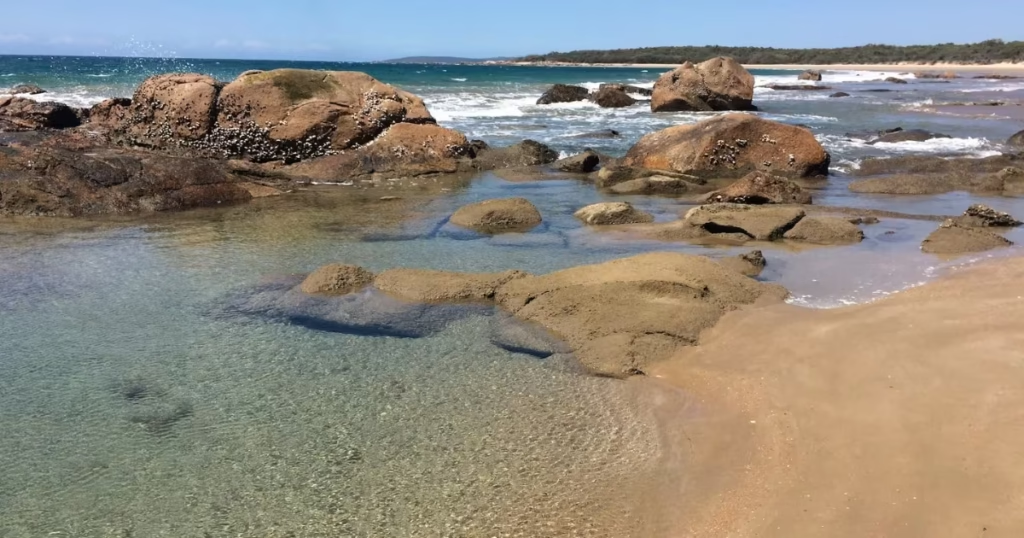
Established in 1977, Eurimbula National Park covers approximately 125 square kilometres of protected landscapes. From mangrove-lined estuaries to towering hoop pines, the park highlights the ecological diversity of the region. It is home to more than 750 plant species and over 400 animal species, including 26 that are considered rare or endangered.
The park is part of a network of coastal reserves that preserve natural habitats and freshwater catchments. Visitors will encounter everything from sandy beaches to coastal heathlands, freshwater creeks, and subtropical forests. Walking through the park, you’ll see the shift in vegetation and wildlife, a testament to the richness of the area.
For anyone who loves authentic Australian bush experiences, Eurimbula offers raw natural beauty, away from crowded tourist spots.
Getting There
Reaching Eurimbula National Park requires a bit of preparation. The park is mostly accessible via high-clearance 4WD vehicles, ensuring that visitors experience its beauty while limiting heavy traffic and environmental impact.
The main entry points are:
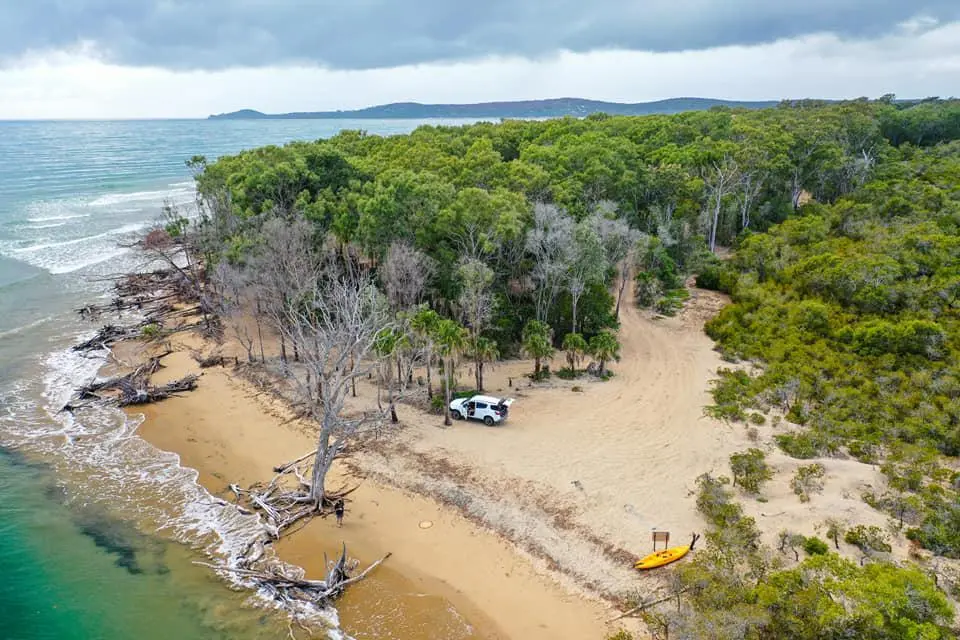
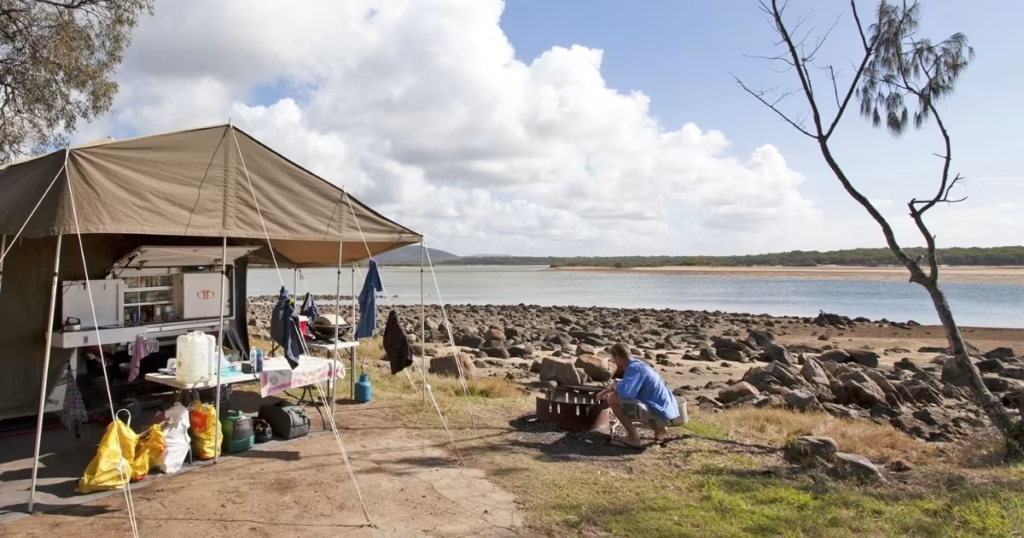
- Eurimbula Creek: Close to Bustard Beach, this site allows campers to set up tents or off-road camper trailers near the water. It’s a short walk from the parking area to the beach and creek.
- Middle Creek: Located near Middle Creek, this area offers both fishing opportunities and beach access. Small boats can also be launched here, making it ideal for water-based exploration.
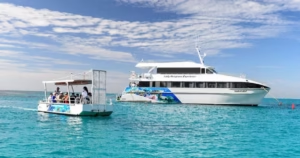
Road conditions can vary, so it’s important to check for updates before heading out. Visitors without a 4WD can still experience the park through guided tours from Agnes Water or the Town of 1770, which provide transport, local knowledge, and safe access to key spots.
Camping in Eurimbula
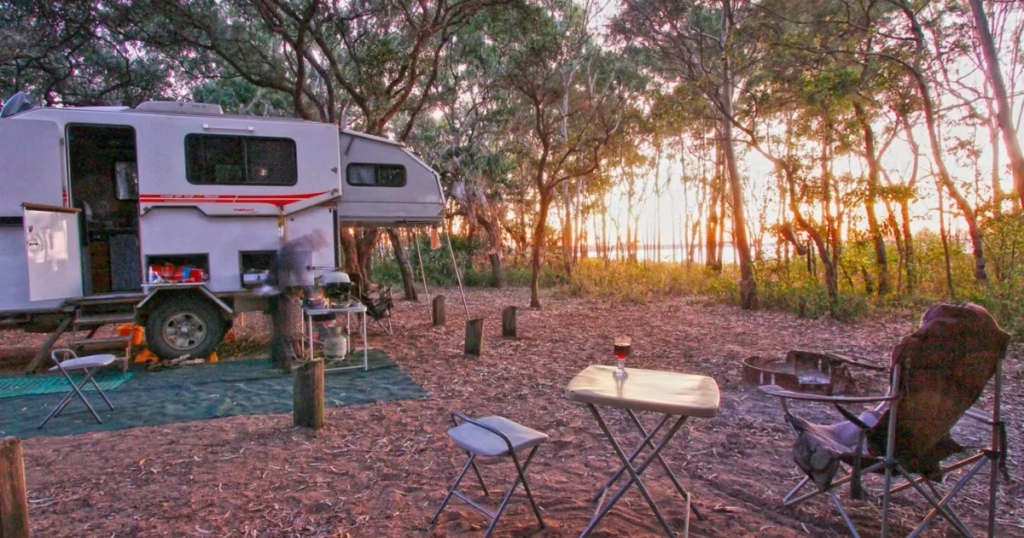
Camping is one of the best ways to experience Eurimbula National Park. The park has two primary camping areas, each offering a different level of comfort and seclusion.
Eurimbula Creek Camping Area
Situated behind Bustard Beach, this campground features shaded sites within low eucalypt woodland. It’s just a short stroll to the creek and the beach, making it perfect for fishing, swimming, or simply relaxing by the water. Facilities include basic toilets and picnic tables. Camping permits are required, and fees help maintain the facilities and surrounding environment.
Middle Creek Camping Area
Further north, Middle Creek offers a quieter, more remote camping experience. Facilities are minimal, which appeals to those seeking solitude and an immersive bush experience. The beach is nearby, and the creek provides opportunities for launching small boats.
Before camping, always check park alerts regarding fire conditions and access, especially during peak summer months or turtle nesting season. Fires are allowed in designated areas, and generators are permitted under restrictions.
Exploring the Beaches
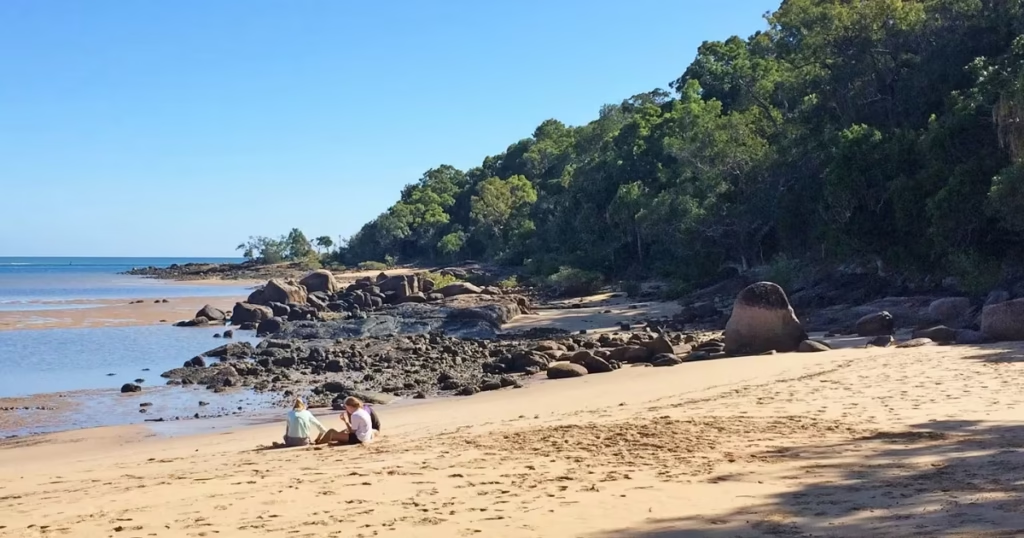
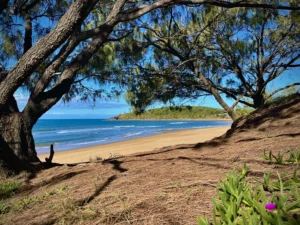
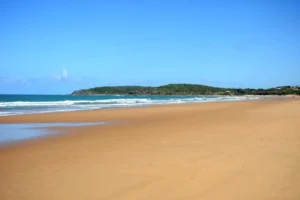
Eurimbula is home to several pristine beaches that are rarely crowded. These stretches of sand provide excellent spots for swimming, beachcombing, and enjoying the coastal scenery.
- Bustard Beach: Located near Eurimbula Creek, Bustard Beach is a favourite for campers and day visitors. It offers gentle sand for walking, safe spots for fishing, and areas shaded by trees for picnics.
- Middle Creek Beach: More secluded than Bustard Beach, Middle Creek Beach is perfect for visitors seeking peace and quiet. The calm waters and natural surroundings make it ideal for a reflective stroll or a serene picnic.
All beaches in the park are unpatrolled, so visitors must take care while swimming. During warmer months, marine stingers may be present, so it’s wise to wear protective swimwear and remain cautious.
Wildlife Encounters
Eurimbula National Park is a sanctuary for wildlife. Its diverse habitats support an impressive range of species, making it a rewarding destination for nature lovers.
- Birdlife: Over 430 bird species have been recorded, including rose-crowned fruit doves, grey fantails, and pied oystercatchers. Early morning and dusk are particularly good for birdwatching.
- Reptiles: Lace monitors and goannas are common, often seen near camping areas and along walking tracks.
- Marine Life: The park’s beaches serve as nesting grounds for turtles, including loggerhead and flatback species. During nesting season, visitors may witness hatchlings making their way to the sea.
- Amphibians: Eurimbula is home to several native frogs, such as the copper-backed broodfrog and dusky gungan, which thrive in the park’s wetlands and creeks.
- Mammals: Kangaroos, wallabies, and occasional echidnas can be spotted in the bush, particularly at dawn and dusk.
Respecting the wildlife is crucial. Keep a safe distance, do not disturb nests or feeding areas, and take all rubbish with you to preserve the natural environment.
Activities and Attractions
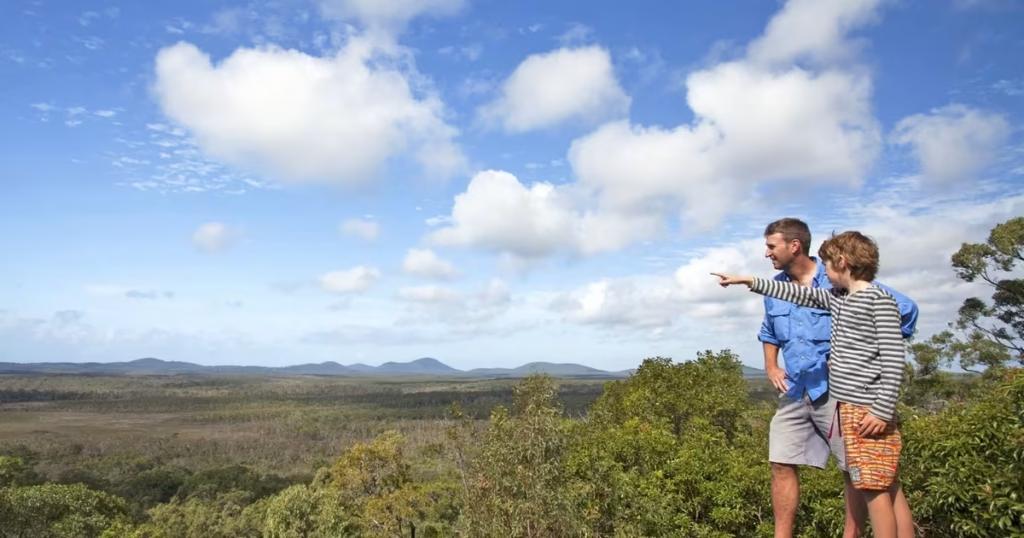
Visitors to Eurimbula National Park can enjoy a range of activities beyond camping and wildlife observation.
Fishing
The estuaries, creeks, and beaches are excellent fishing spots. Popular catches include whiting, bream, and tailor. Always follow Queensland fishing regulations, including bag limits and size restrictions.
Kayaking and Canoeing
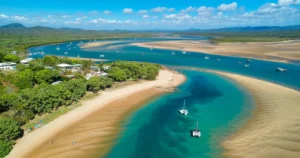
Paddling along the creeks and estuaries allows visitors to explore parts of the park that are otherwise inaccessible. The calm waters provide a peaceful environment to observe birdlife and other wildlife up close.
Walking Trails
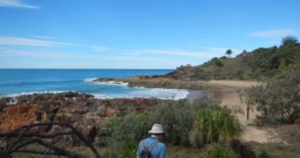
Several walking tracks wind through the park, showcasing its variety of ecosystems. Walkers can enjoy coastal heaths, wetland areas, and forested tracks. Trails vary in difficulty, providing options for families or more experienced bushwalkers.
Bustard Head Lighthouse
Located in the northern section of the park, Bustard Head Lighthouse is a historical attraction. Guided tours from the Town of 1770 offer visitors the chance to learn about the lighthouse’s history and enjoy panoramic views of the coastline.
Travel Tips
To make the most of your visit to Eurimbula National Park, consider these tips:
- Best Time to Visit: April to October is ideal due to cooler temperatures and reduced marine stinger risk.
- Preparation: Carry enough food, water, camping gear, and emergency supplies. Ensure your vehicle is equipped for 4WD tracks.
- Safety: Inform someone of your travel plans and expected return. Be cautious on beaches and in the bush.
- Respect Nature: Stick to marked tracks, follow Leave No Trace principles, and avoid disturbing wildlife.
- Permits: Camping permits are required for all designated camping areas and contribute to park maintenance.
Why Eurimbula National Park Should Be on Your List
Eurimbula National Park offers a rare opportunity to experience Queensland’s coastal wilderness in its natural state. It provides the perfect blend of adventure, relaxation, and wildlife encounters. Whether you’re casting a line from the beach, watching turtles nest, paddling through quiet estuaries, or camping under the stars, the park delivers an authentic and memorable experience.
Its remote location ensures that visitors can enjoy the tranquility and beauty of untouched landscapes. For those visiting nearby Agnes Water or the Town of 1770, Eurimbula is a must-see destination for anyone seeking a genuine connection with nature.