
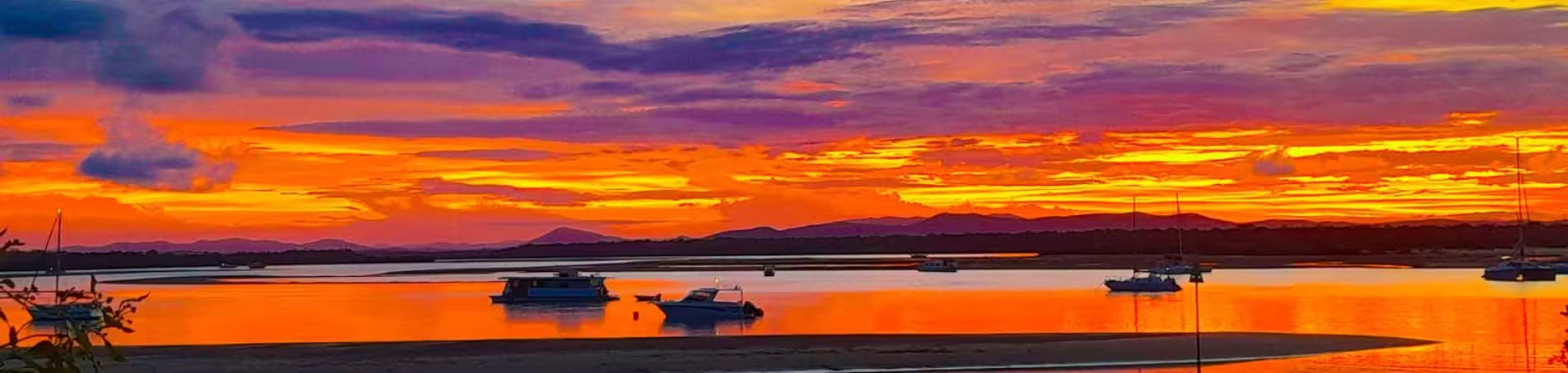
The Coral Coast of Queensland is famous for its clear, clean skies and unpolluted horizon lines — exactly what photographers need for sunrise shots. The combination of beaches, rocky headlands, and bushland ensures that you can capture dramatic foregrounds, reflective water, and colourful skies in a single frame.
Early mornings here reward the patient photographer with soft light that illuminates the coast and nearby islands. Whether you’re framing the iconic 1770 Headland, the calm waters of Bustard Bay, or the sprawling sands of Agnes Water Main Beach, the opportunities for breathtaking shots are endless.
Best Spots for Sunrise Photography
1770 Headland Lookouts
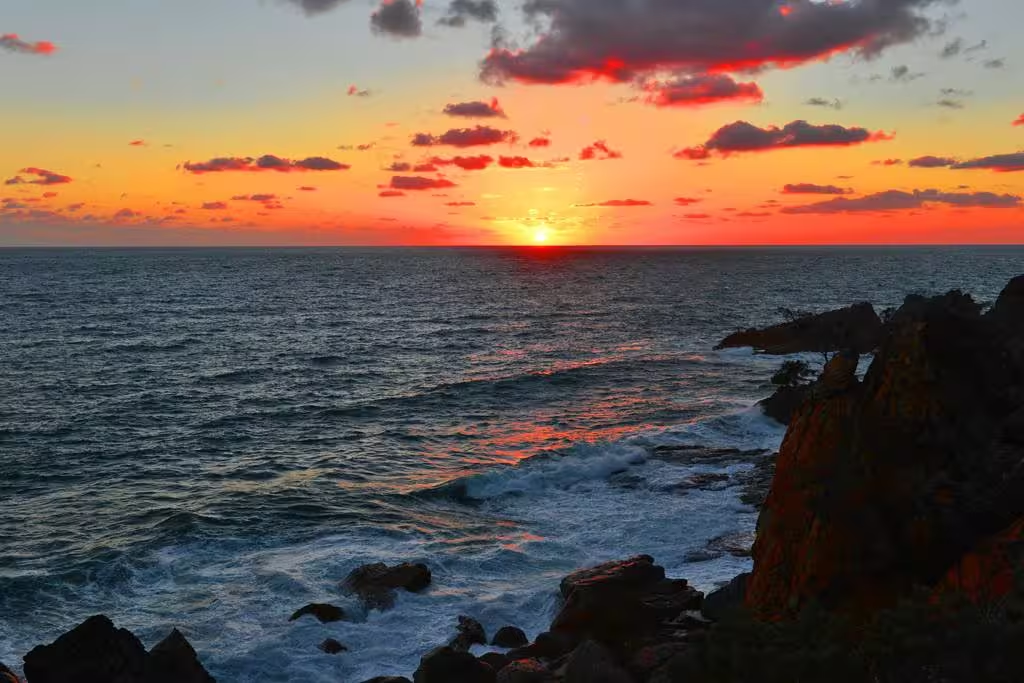
One of the top spots for sunrise, the 1770 Headland offers sweeping ocean views and panoramic vistas over Bustard Bay. From here, you can capture the sun’s reflection on the water and dramatic silhouettes of the headlands. It’s also close to Joseph Banks Conservation Park, giving photographers access to natural bush settings and elevated viewpoints.
Bustard Bay Lookout
Perfect for both sunrises and sunsets, this lookout provides unobstructed views of the ocean and surrounding coastline. Early risers will enjoy quiet mornings here, making it easier to compose shots without distractions.
Agnes Water Main Beach
For classic sunrise shots over the ocean, Agnes Water Main Beach is ideal. The long stretch of sand allows photographers to experiment with different compositions — from reflective wet sand to driftwood framing, and even including early morning surfers.
Middle Rocks, Deepwater National Park
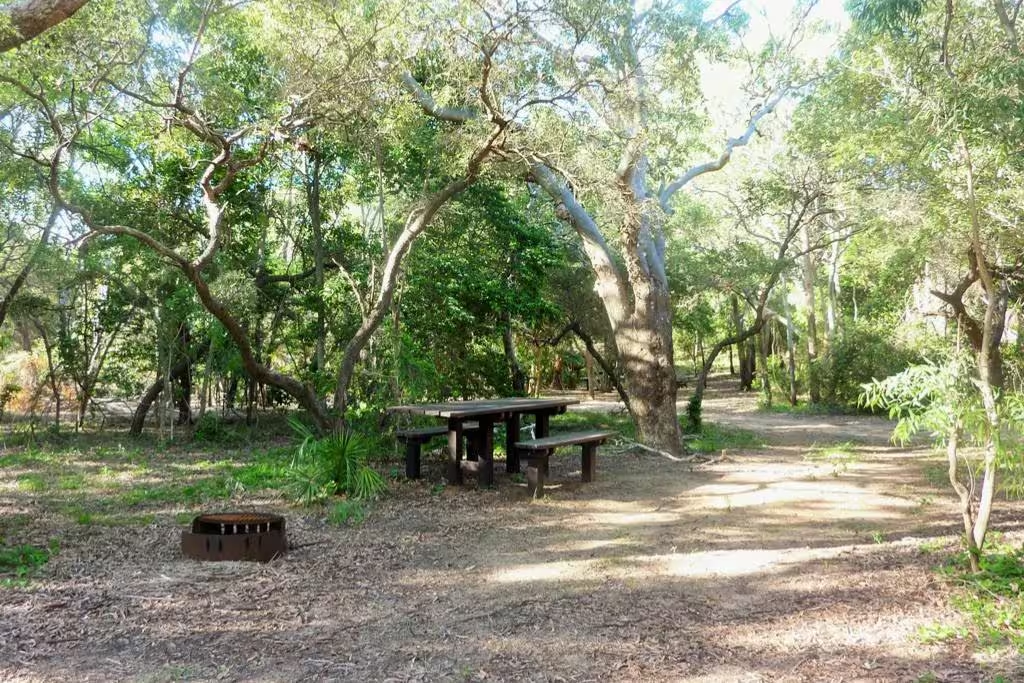
If you’re after more rugged and dramatic images, head to Middle Rocks in Deepwater National Park. The jagged rock formations create stunning silhouettes against a colourful sky, and the interplay of shadows and light makes for truly cinematic shots.
Horizons Kangaroo Sanctuary
For something a bit different, Horizons Kangaroo Sanctuary offers the chance to photograph sunrises with baby kangaroos in the foreground. Located on a hill, the sanctuary provides elevated views over the surrounding landscape, giving photographers a unique perspective and a chance to combine wildlife with sunrise photography.
Tips for Capturing the Perfect Sunrise
Arrive Early
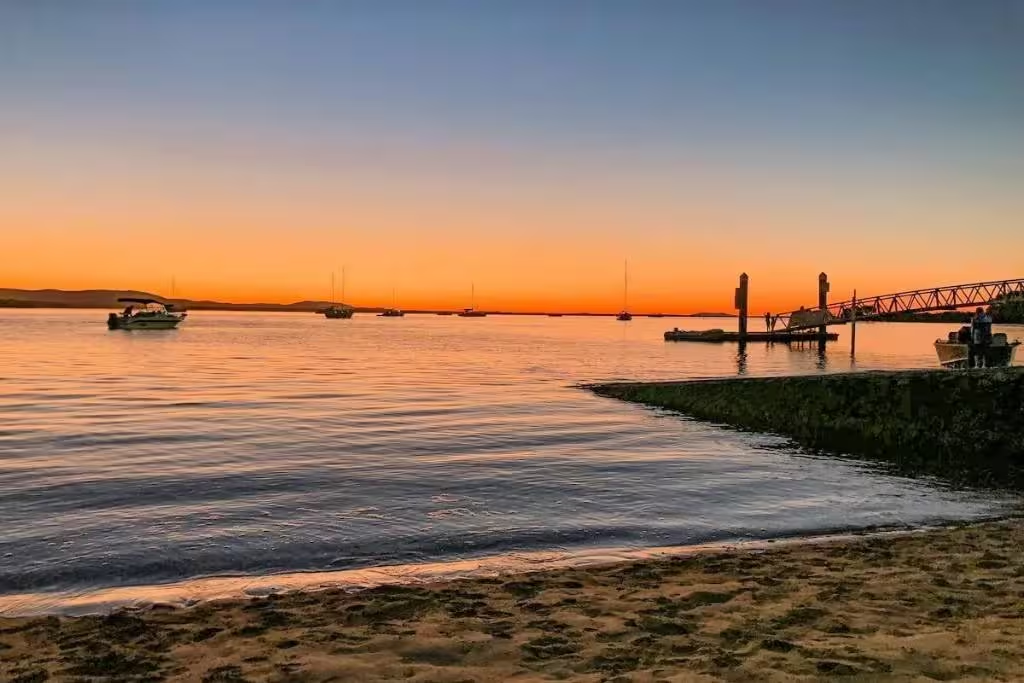
The colours of sunrise start to appear during the “blue hour,” roughly 30–60 minutes before the sun actually crests the horizon. Arriving early gives you time to set up your gear, scout locations, and compose your shots.
Use a Tripod
Low light conditions require longer exposures, and a tripod ensures your images are sharp. This is particularly important for shots over water or when including foreground elements like rocks or driftwood.
Shoot in RAW
RAW files give you maximum flexibility in post-processing, allowing you to adjust colour balance, contrast, and exposure without losing detail. This is essential for achieving vibrant, professional-looking sunrise photos.
Bracket Your Exposures
Capture multiple shots at different exposures — one dark, one balanced, and one light — to ensure you retain detail in both the bright sky and darker foreground. This technique can be combined later in post-processing for high dynamic range (HDR) images.
Include Foreground Interest
While the sky is stunning, including foreground elements such as rocks, driftwood, waves, or trees adds depth and drama to your composition. This makes your images more dynamic and visually engaging.
Check the Direction of the Sunrise
The sun’s position changes throughout the year, so use apps like PhotoPills or The Photographer’s Ephemeris to plan your composition. Knowing where the sun will rise and how it interacts with your surroundings is key to getting the perfect shot.
Don’t Forget to Look Away from the Sun
Sometimes the most spectacular colours appear not directly at the sunrise but in the surrounding sky and clouds. Take a moment to frame shots away from the sun — reflections, pastel skies, and cloud textures often make for incredible compositions.
Other Photography Opportunities Around 1770 & Agnes Water
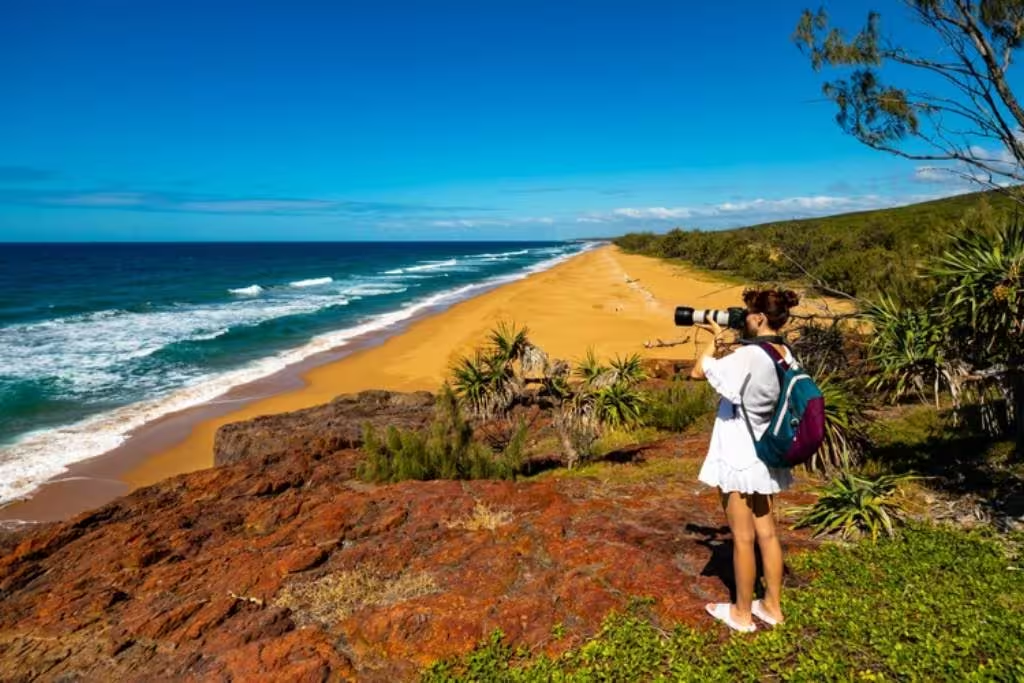
While sunrise is a major draw, this region is packed with photography opportunities throughout the day:
- Sunset Shots: Bustard Bay Lookout and 1770 Headland also provide stunning sunset views. The warm evening light casts beautiful shadows and reflections across the bay.
- Wildlife Photography: The region is home to kangaroos, wallabies, and a variety of bird species. Horizons Kangaroo Sanctuary and Deepwater National Park are ideal spots for wildlife-focused shots.
- Landscape Photography: Eurimbula National Park, the beaches, and coastal headlands provide endless options for wide-angle and panoramic landscape photography.
Staying Nearby for Sunrise Photography
Location is everything when you’re chasing sunrises. Staying in 1770 or Agnes Water ensures you’re close to all the key spots, allowing you to rise early without stress.
1770 Beach Accommodation offers the best options in the region. Here’s why:
- Proximity to Sunrise Locations: Many properties are just minutes from Agnes Water Main Beach and 1770 Headland.
- Comfortable and Spacious: Multiple bedrooms, modern kitchens, and open decks give photographers the space to prepare gear or relax after an early shoot.
- Pet- and Family-Friendly: Perfect for families who want to bring pets along for morning walks or beach photography.
- Local Expertise: The team can advise on the best vantage points, tide times, and hidden spots to catch the perfect light.
- Reliable and Easy Booking: Their website lets you filter homes by location, size, and amenities — perfect for planning a photography-focused holiday.
Sample Sunrise Photography Itinerary
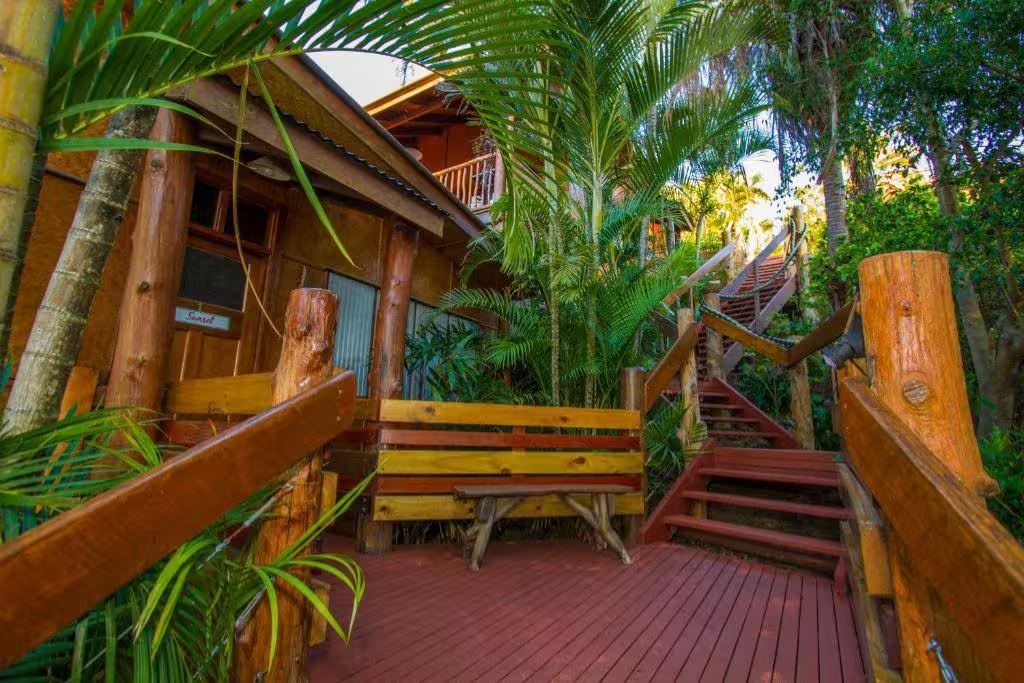
Day 1: Arrive and settle in at your chosen 1770 Beach Accommodation property. Scout Agnes Water Main Beach in the late afternoon for composition ideas.
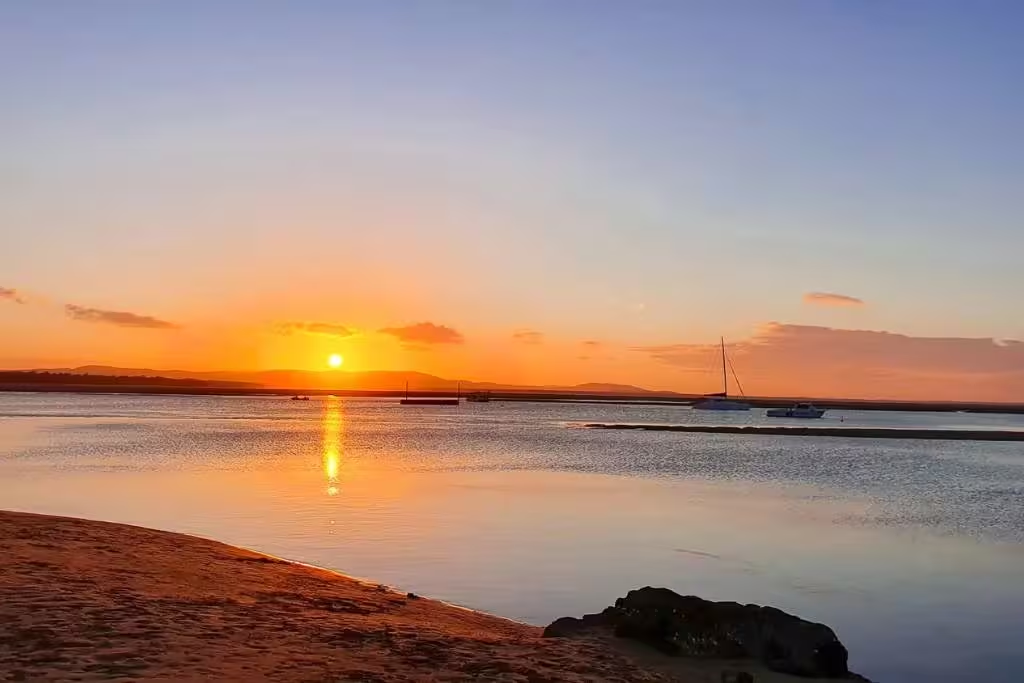
Day 2: Early morning at 1770 Headland for sunrise. Spend the day exploring local beaches and national parks. Sunset at Bustard Bay Lookout.
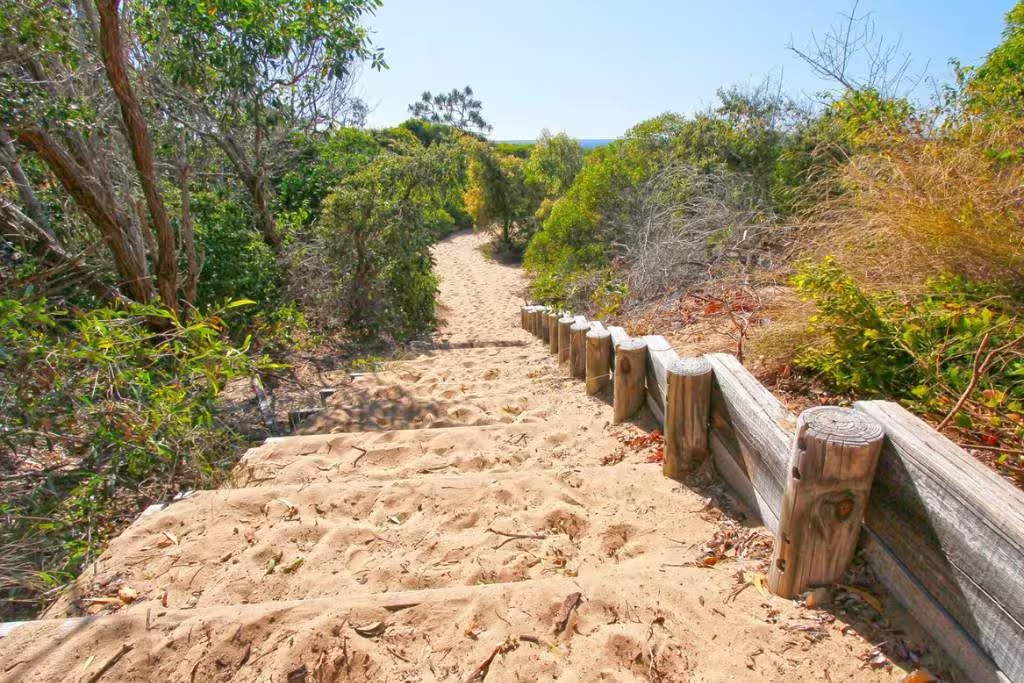
Day 3: Middle Rocks in Deepwater National Park for rugged coastline sunrise shots. Afternoon wildlife photography at Horizons Kangaroo Sanctuary.
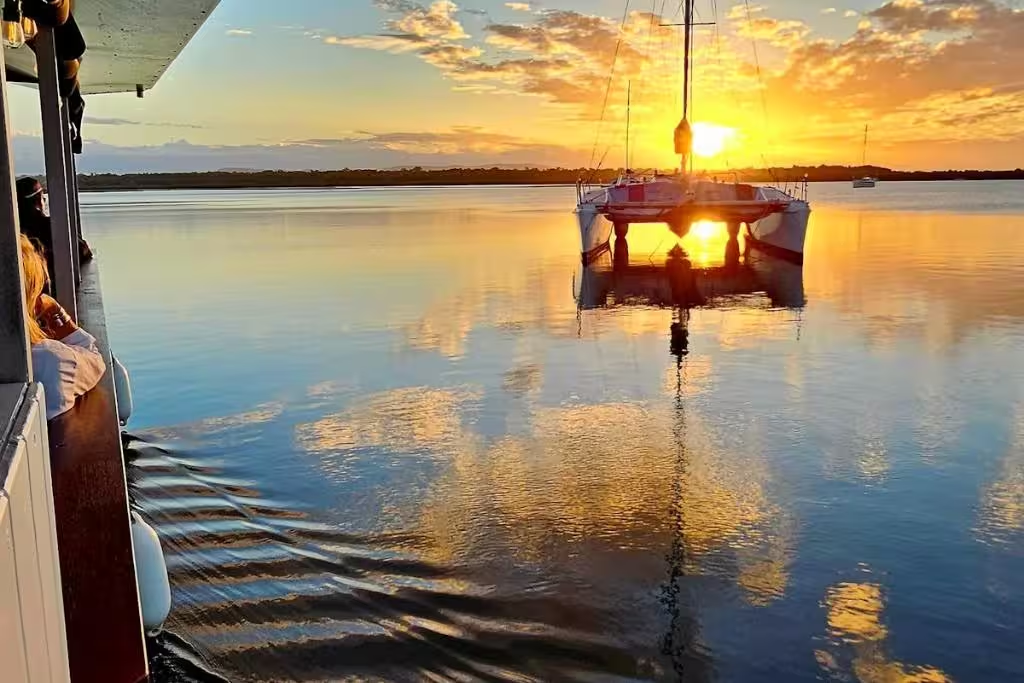
Day 4: Capture sunrise at Agnes Water Main Beach. Explore Eurimbula National Park in the afternoon. Evening at 1770 Marina for sunset reflections.
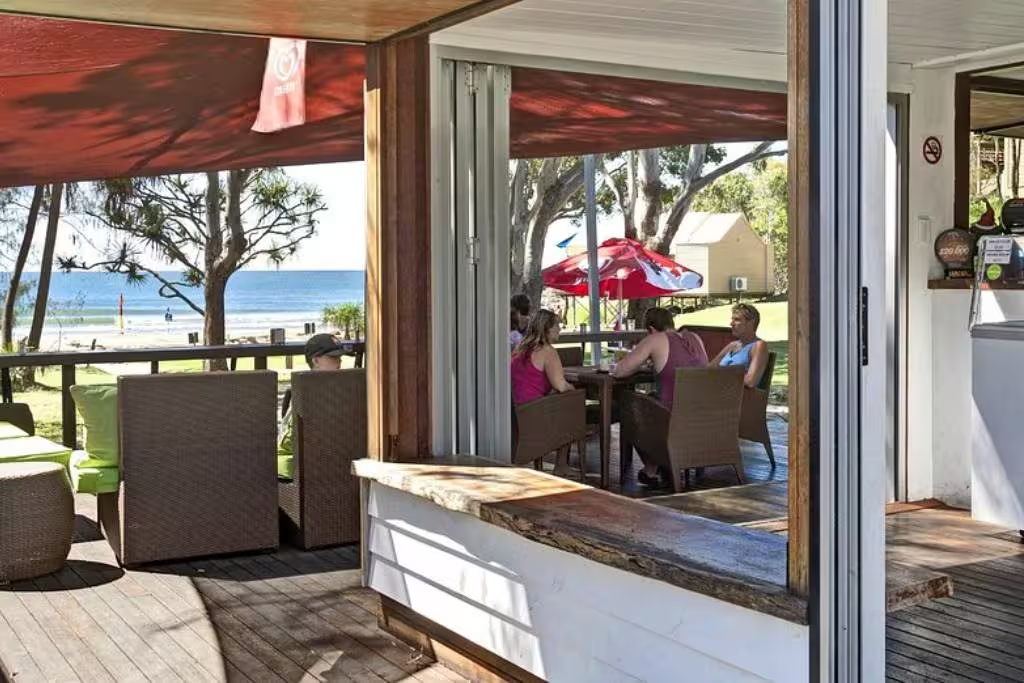
Day 5: Final morning shoot and pack up. Relax at your accommodation or grab a coffee at a pet-friendly café before heading home.
Tips for a Successful Photography Trip
- Scout Locations: Arrive a day early to explore potential sunrise spots.
- Pack Smart: Tripod, camera, lenses, filters, and spare batteries are essential.
- Check the Weather: Clear skies provide dramatic sunrises, but cloud cover can create more dynamic, colourful skies.
- Respect Nature: Stick to trails and avoid disturbing wildlife, especially in conservation areas.
- Stay Comfortable: Early mornings can be chilly — layers and a thermos of coffee go a long way.
Final Thoughts
Agnes Water and Seventeen Seventy are absolute treasures for sunrise photography. With pristine beaches, dramatic headlands, and abundant wildlife, the region offers endless opportunities to capture stunning images. Whether you’re framing the sun over Bustard Bay or photographing kangaroos bathed in golden light, this corner of Queensland delivers unforgettable photographic experiences.
Booking with 1770 Beach Accommodation makes the experience even better. Their pet- and family-friendly homes are ideally located, fully equipped, and maintained to high standards, ensuring your photography trip is comfortable, convenient, and stress-free.
So grab your tripod, set your alarm, and get ready to capture the magic of sunrises along Queensland’s Coral Coast — your perfect photography adventure starts here.